
iPhone Duo: Everything You Need to Know Before Pre-Orders Open October 16
Apple's first foldable lands October 23 at $1,999. Here's what the iPhone Duo actually gets right, where it falls short, how it stacks up against the Galaxy Z Fold 8, and who should pre-order.
- Published
- Reading time
- 7 min read
- Views
- 6 views
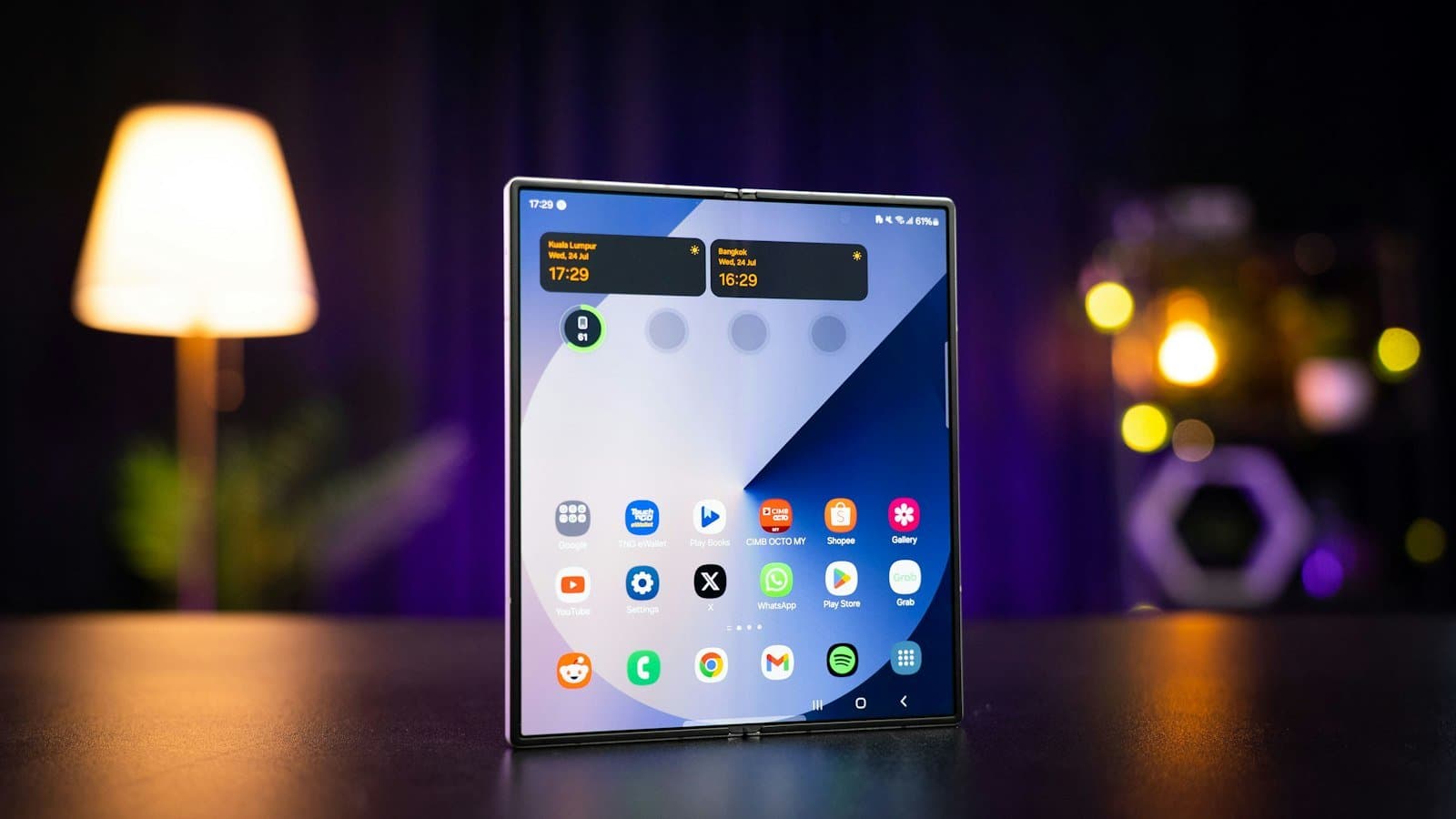
Table of contents
Apple took its time with this one. Samsung has been shipping folding phones for seven generations, and for most of that stretch Apple sat it out. That ends this month. The iPhone Duo, Apple's first foldable, opens for pre-orders on Thursday, October 16 and hits stores in the U.S. on Thursday, October 23, with a starting price of $1,999.
If you're thinking about putting money down this week, here's the short version of what you're buying, what the early hands-on impressions say, and the trade-offs that don't make it into the launch video.
iPhone Duo at a glance
| Spec | iPhone Duo |
|---|---|
| Starting price | $1,999 (256GB) |
| Inner display | 7.6-inch Super Retina XDR, 120Hz, nano-texture finish |
| Cover display | 5.4-inch Super Retina XDR, 120Hz |
| Chip | A20 Pro (2nm), same as iPhone 18 Pro |
| RAM | 12GB on every model |
| Storage | 256GB, 512GB, 1TB, 2TB |
| Rear cameras | 48MP main + 48MP ultrawide (no dedicated telephoto) |
| Charging | Up to 60W wired (about 50% in 20 minutes), 25W MagSafe |
| Durability | IP68, titanium frame, Ceramic Shield 2 |
| Unlock | Touch ID in the side button (no Face ID) |
| Weight | 254g |
| Thickness | 5.2mm open, 11.3mm closed |
| SIM | eSIM only |
| Colors | Night Sky, Star White |
| Software | iOS 27 with fold-aware features |
Price and release date
The base model with 256GB is $1,999. Moving up to 512GB costs $2,199. Pricing for the higher tiers has been reported as $2,599 for 1TB and $3,199 for 2TB, though a few outlets listed different figures at announcement, so check Apple's store page when pre-orders go live.
Key dates:
- October 16: pre-orders open
- October 23: in-store and shipping availability in the U.S. and the first wave of countries
For context, that's a $700 premium over the iPhone 18 Pro Max ($1,299) and $100 more than Samsung's Galaxy Z Fold 8 ($1,899).
Design: a passport, not a tablet
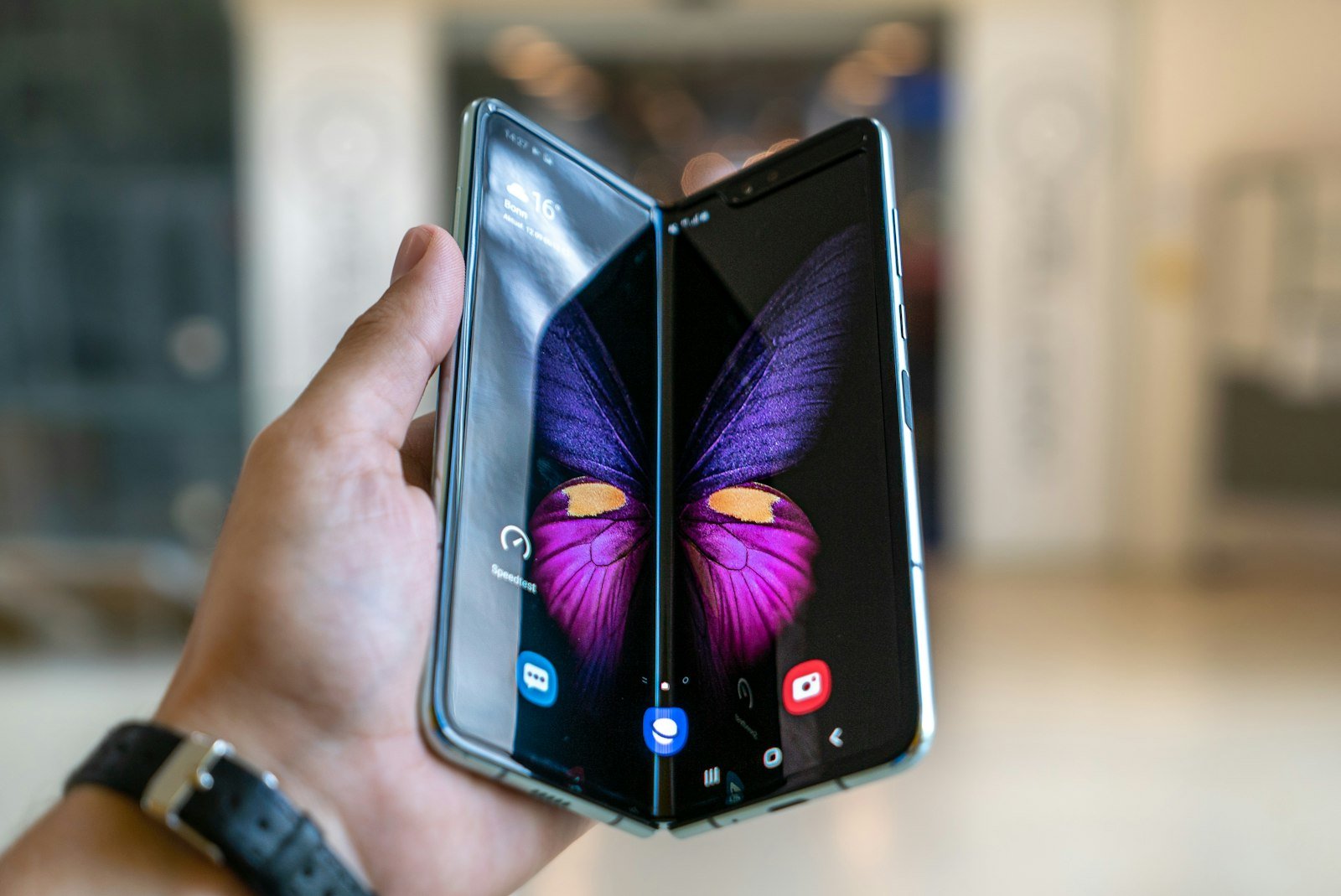
The Duo follows the shorter, wider "passport" shape that Samsung also moved to with the Fold 8. Closed, it feels closer to a regular phone in the hand than older tall-and-narrow foldables did, and the 5.4-inch cover screen is usable for real work, not just notifications.
Open it and you get a 7.6-inch canvas. Apple's Split View lets you run two apps side by side and save app pairs to reopen later, which is the feature that makes a foldable worth carrying in the first place.
The trade-off is weight. At 254g, the Duo is about 53g heavier than the Fold 8 (201g), and it's slightly thicker when open (5.2mm vs 4.5mm). That's the cost of the titanium frame and the hinge Apple built to hit an IP68 rating.
The crease question
This is the first thing everyone asks about any foldable, and the answer here is "mostly solved, not gone."
Apple uses a two-layer ultra-thin glass and a matte nano-texture coating on the inner display that scatters light right where a crease normally catches it. Several early hands-on reports said they couldn't see the crease at all in normal use. Others noted that it's still there if you run a finger across it or tilt the screen under harsh light. Both things can be true: the crease physically exists, but it's harder to spot than on any Samsung foldable to date.
Worth noting for buyers: the matte finish also cuts reflections, which a lot of reviewers liked more than they expected to.
Performance and battery
The A20 Pro is the same chip in the iPhone 18 Pro, built on a 2nm process, paired with 12GB of RAM regardless of storage tier. Apple says a custom vapor chamber gives up to 35% better sustained performance than the iPhone 17 Pro Max, which matters most for long gaming sessions and video export.
Battery is split across two cells, one in each half, managed as a single system. Apple hasn't officially published the capacity (reports put it around 4,883mAh combined), but it claims up to 31 hours of video playback on the inner screen. Real-world numbers will have to wait for full reviews. Fast charging is a genuine upgrade: about 50% in roughly 20 minutes on a 60W adapter.
Cameras: good, but not Pro
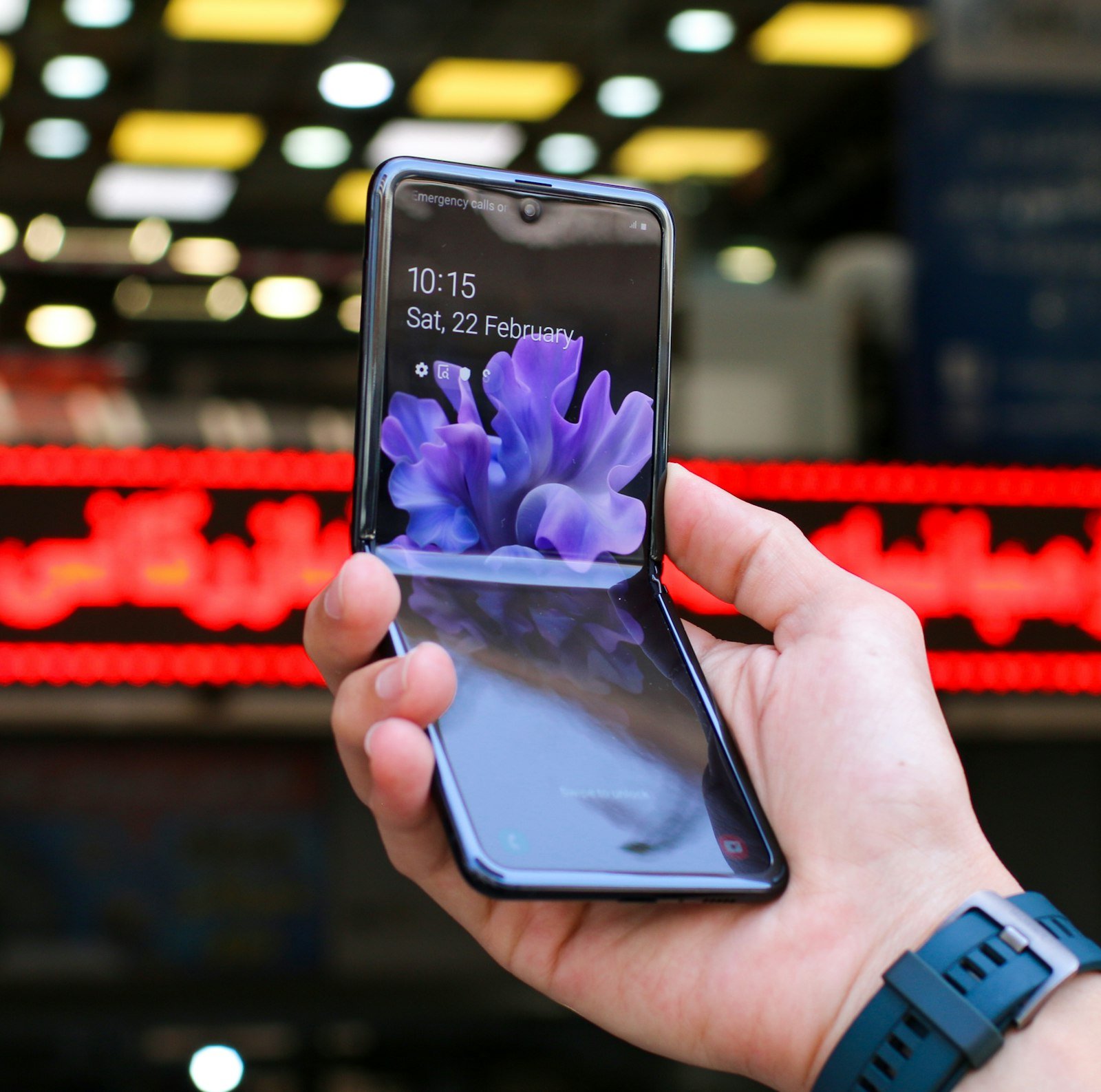
You get two 48MP rear cameras: a main and an ultrawide. There's no dedicated telephoto lens, so zoom tops out at 2x optical-quality cropping from the main sensor. If you shoot a lot of portraits from a distance or concerts from the back row, the iPhone 18 Pro is still the better camera. Apple adds a cover-screen preview so the person you're photographing can see the shot, which is a small but nice touch.
iPhone Duo vs Galaxy Z Fold 8
| iPhone Duo | Galaxy Z Fold 8 | |
|---|---|---|
| Starting price | $1,999 | $1,899 |
| Weight | 254g | 201g |
| Thickness (open) | 5.2mm | 4.5mm |
| Water/dust rating | IP68 | IP48 |
| Rear cameras | 2 x 48MP | 2 x 50MP |
| Stylus | Apple Pencil (USB-C) | No S Pen support |
| Desktop mode | No | Samsung DeX |
| SIM | eSIM only | Physical SIM + eSIM |
| Wired charging | Up to 60W | Up to 45W |
Where the Duo wins: durability (IP68 vs IP48 is a real gap if you've ever dropped a phone in a sink), faster charging, a less visible crease, Pencil support, and the iOS ecosystem if you already live in it.
Where the Fold 8 wins: it's lighter, thinner, $100 cheaper, supports a physical SIM, and Samsung's multitasking and DeX are still more mature than Apple's first attempt at foldable software.
What to think about before you pre-order
- eSIM only. If you travel and rely on swapping local physical SIM cards, check that your carriers (home and abroad) support eSIM first.
- No Face ID. Touch ID in the side button works fine, but it's a change if you're coming from a recent iPhone.
- First-generation hardware. Apple has a good track record, but hinge longevity and screen durability only show up after months of real use.
- Apps. Not every app will be optimized for the inner display on day one. If you depend on a specific work app, check that it handles the new layout.
- Weight. 254g is noticeable in a pocket. Try one in store if you can.
Who should buy it
Buy it if you're already deep in the Apple ecosystem, you want one device that can replace a phone and a small tablet, and the idea of a foldable that can survive rain and a pool splash appeals to you.
Wait if camera zoom matters to you, you need a physical SIM, or you'd rather let the first round of full reviews and durability tests land before spending two thousand dollars on version one.
Look at the Fold 8 instead if you're on Android or ecosystem-neutral, and you care more about weight and multitasking than water resistance.
FAQ
When can I pre-order the iPhone Duo?
Pre-orders open on October 16, 2026, with availability starting October 23.
How much does the iPhone Duo cost?
It starts at $1,999 for 256GB. The 512GB model is $2,199, with 1TB and 2TB options above that.
Does the iPhone Duo have a crease?
Physically, yes. Visually, it's very hard to see in normal use thanks to the matte nano-texture display.
Is the iPhone Duo waterproof?
It's rated IP68 for dust and water resistance, which is better than the Galaxy Z Fold 8's IP48 rating.
Does the iPhone Duo support Apple Pencil?
Yes, it supports Apple Pencil (USB-C), though some reports suggest full Pencil support may arrive after launch through a software update.
We'll update this post with our full review once we've lived with the iPhone Duo for a couple of weeks. If there's something specific you want us to test, drop it in the comments.